
Licensed, Bonded & Insured | Free Estimates | Financing Available
El Paso’s Expert Chain Link & Custom Fence Installers
Chain link is what we specialize in, but it’s not all we build. We also install wood, vinyl, wrought iron, rock wall, and farm fencing, and repair all of it too. What we won’t do is cut corners on the posts. A fence that leans in year two almost always failed at the hole, not the material, so every post we set goes in at full depth, in concrete, no matter what’s underneath. You get a written quote before we start, and that’s the price you pay.
We take on backyard jobs the same way we take on commercial ones: walk the property, measure it, quote it, and build it to hold up, not just look finished on install day. Most of what goes wrong with a fence later traces back to something skipped early on, an undersized post, a shortcut on concrete, gate hardware that wasn’t rated for the weight it’s carrying. We’d rather spend the extra time setting it right than get a callback in two years to fix a lean. Our crews have done this enough times to know what actually needs attention on a job, and we tell you what something costs and why before any of it starts, not after.
Free Estimate
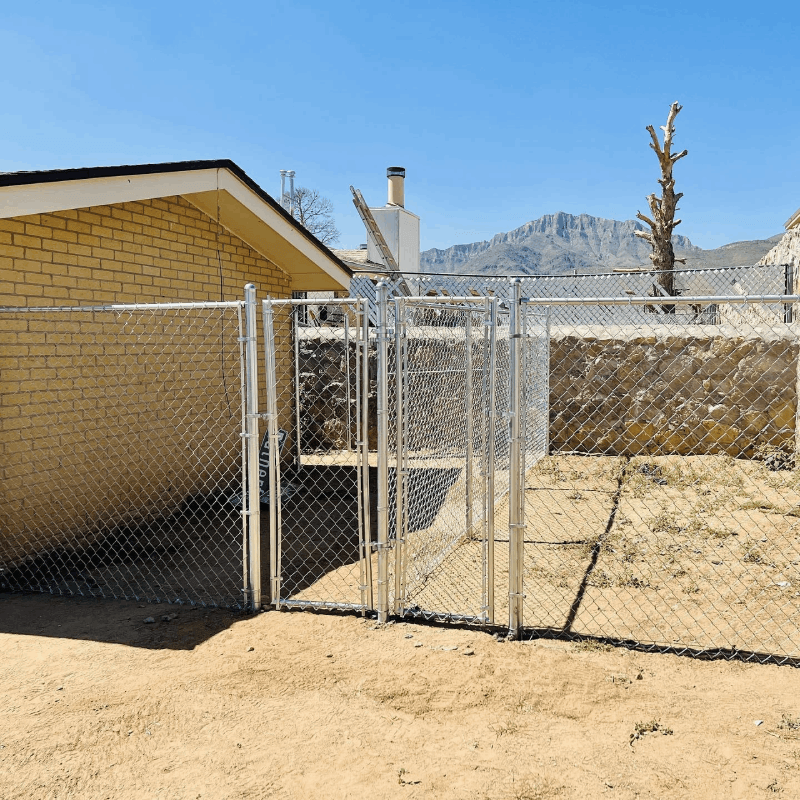
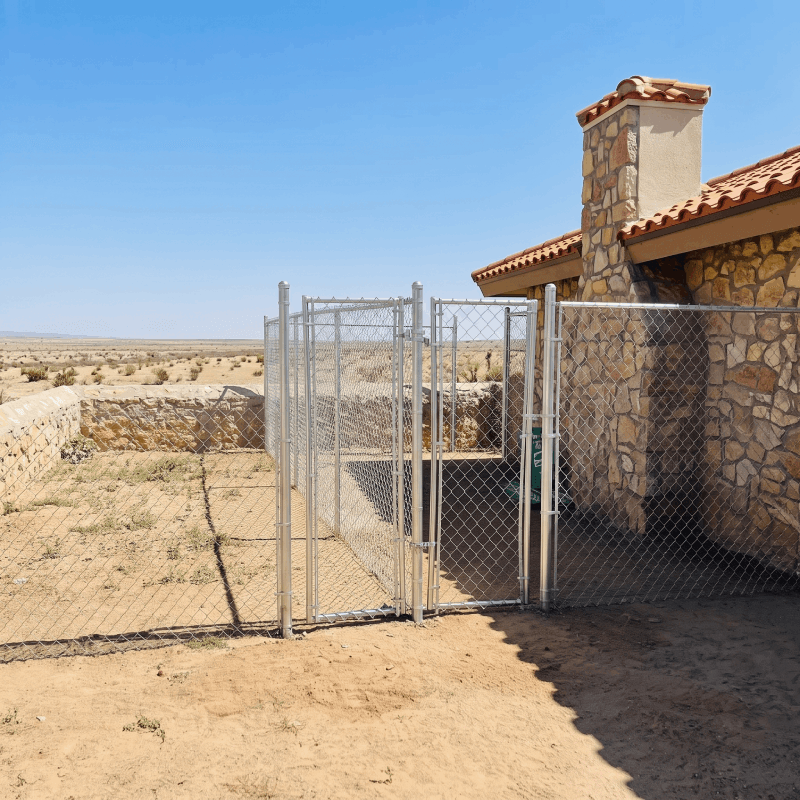
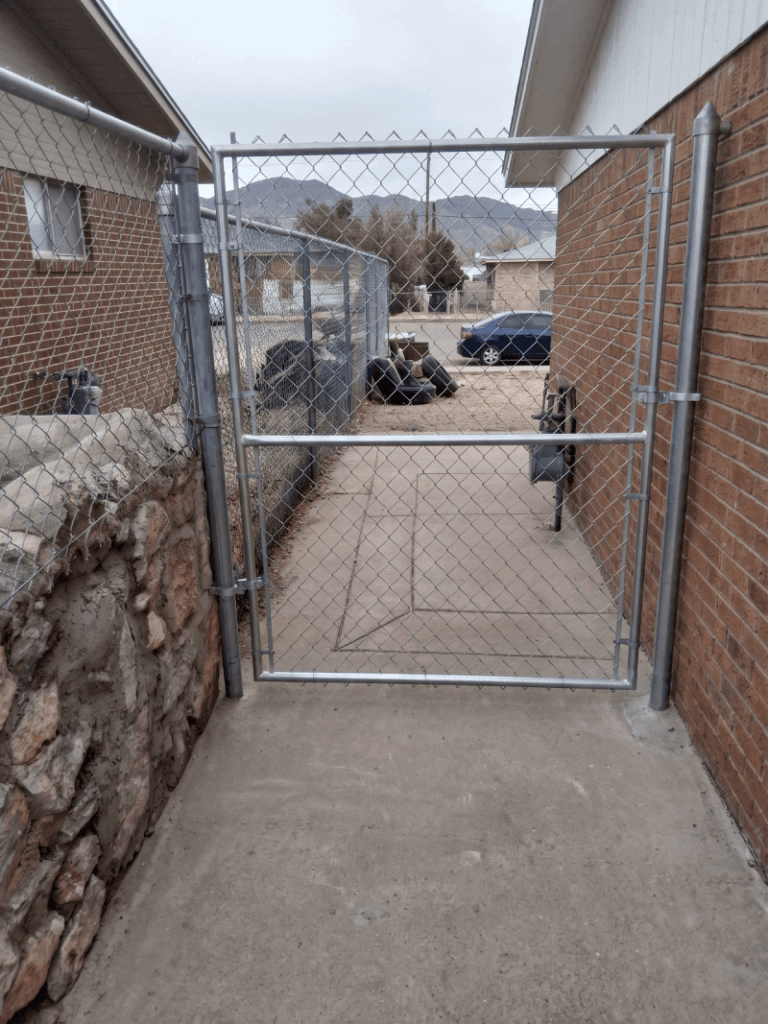
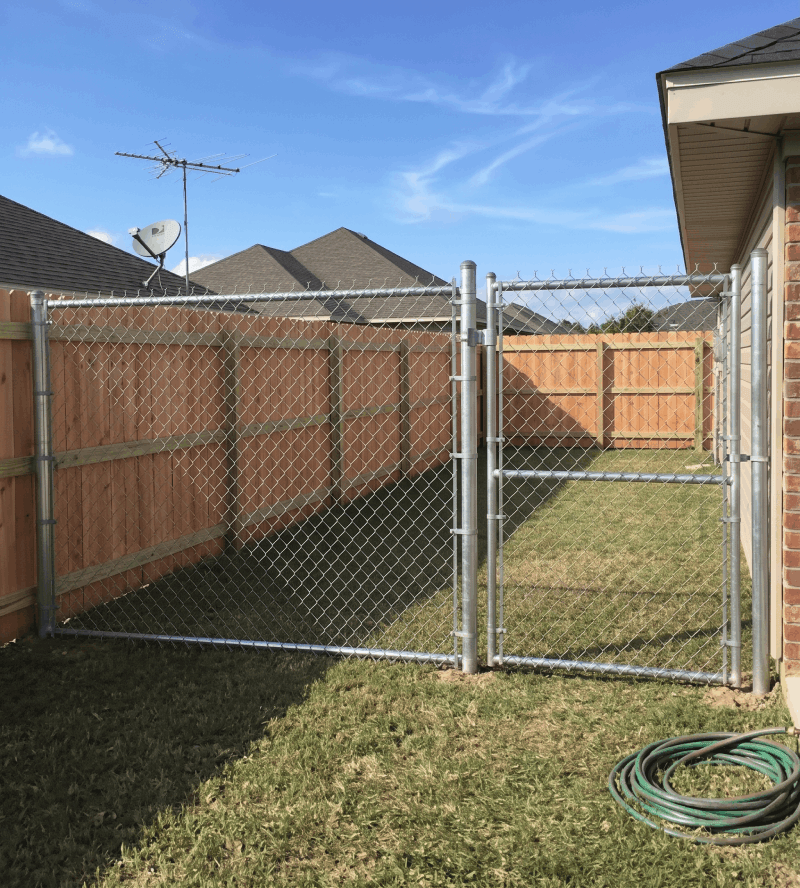
Chain Link Fence Installation
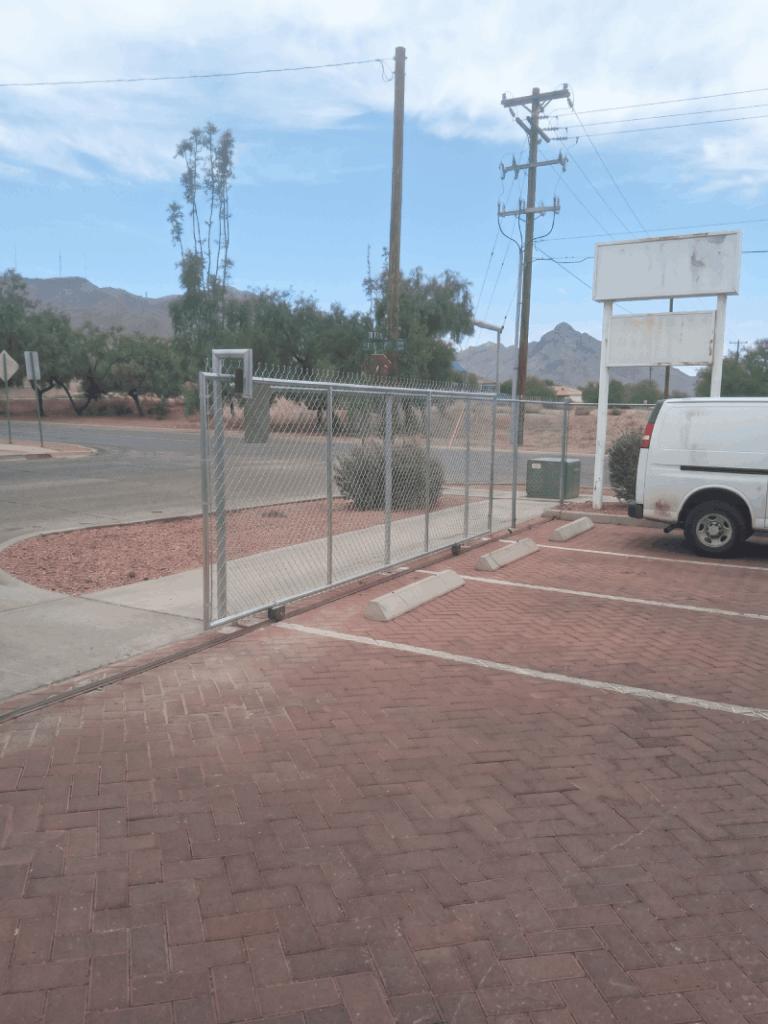
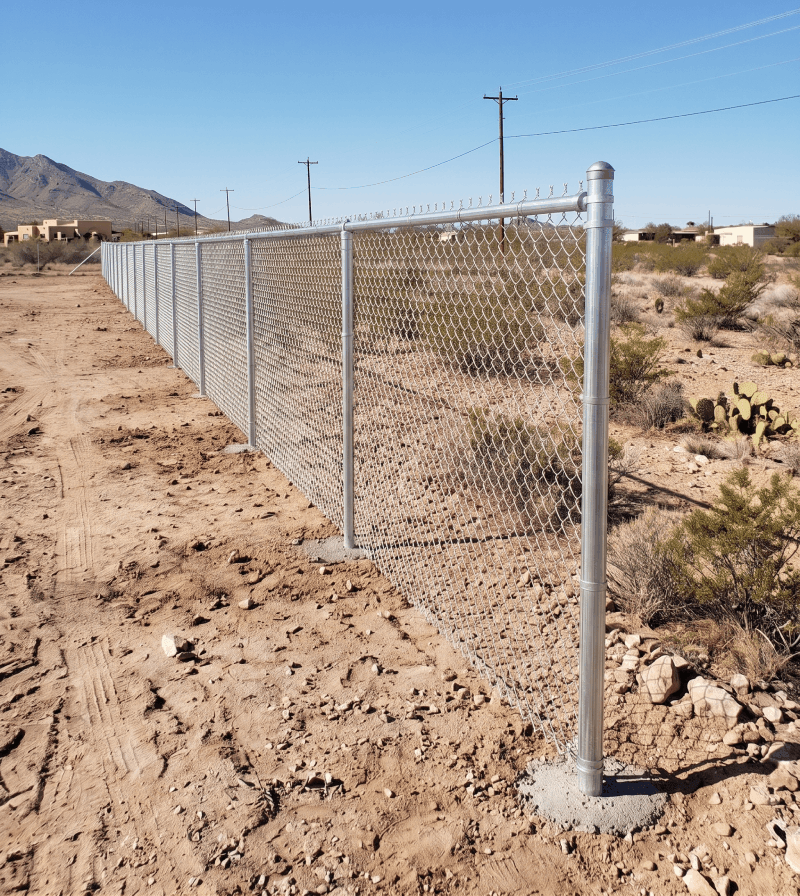
Chain link is the most cost-effective way to enclose a large yard, side lot, or commercial property, and it doesn’t block airflow the way a solid fence does. We run 2-inch diamond mesh in 9-gauge and 11-gauge, hot-dip galvanized so the zinc coating covers the whole wire instead of just the surface. That’s the difference between a fence that still looks new in ten years and one that starts rusting at the joints in three. Want privacy without switching materials? Add vinyl-coated mesh or slide-in slats. Heights run from 4 feet residential up to 8 feet commercial.
Wood Fence Installation
Cedar and pressure-treated pine both work, but they age differently, and picking the wrong one means restaining every year instead of every three. Posts go in below grade, set in concrete, and spaced so panels don’t sag over time. Sun causes most of the long-term damage, so a stain or sealant at install, then again every two to three years, keeps boards from cupping and splitting. Left bare, untreated wood will crack within a couple of seasons no matter how well it’s built.
Privacy Fence Installation
Wood gives you the classic look but needs upkeep. Vinyl needs almost none but costs more up front. A rock wall needs no maintenance at all and costs the most of the three. Which one’s right depends on how long you’re keeping the property and how much time you want to spend on it later. We build all three, typically 6 feet for backyards and 4 feet for front yards, in line with most residential codes. If you’re under an HOA, check material and color rules first; we can help confirm what’s allowed.
Wrought Iron, Aluminum & Steel Fences
Iron and steel fencing secures a property without hiding it, which is why people choose it over a solid privacy fence when they don’t want to block the view. We install powder-coated steel and aluminum rather than painted wrought iron, because powder coating is baked on and doesn’t chip the way paint does. Once paint chips, moisture reaches bare metal and rust spreads underneath before you ever see it. Powder-coated fencing holds up for years without repainting and works well on its own or paired with a rock wall base.
Rock Wall Fence Installation
A rock wall is the most permanent fence option available, and also the most expensive. Done right, it needs a footing set below grade, not stacked stone sitting on the surface, or it will crack and shift within a few seasons, especially on sloped ground. Once it’s built, it needs next to no maintenance and will outlast wood or metal by decades. It can also double as a retaining structure on graded lots, which may need a permit depending on height, something we’ll flag before quoting.
Vinyl Fence Installation
Not all vinyl is built the same. Cheap vinyl yellows and turns brittle under prolonged sun, then cracks the first time something leans on it. We install UV-stabilized vinyl, which costs more up front but holds its color and flexibility for the long run. It won’t warp or rot, and it doesn’t need repainting, which makes it a solid choice for pool enclosures and backyard privacy runs where you want a finished look without resealing every couple of years.
Farm Fence Installation
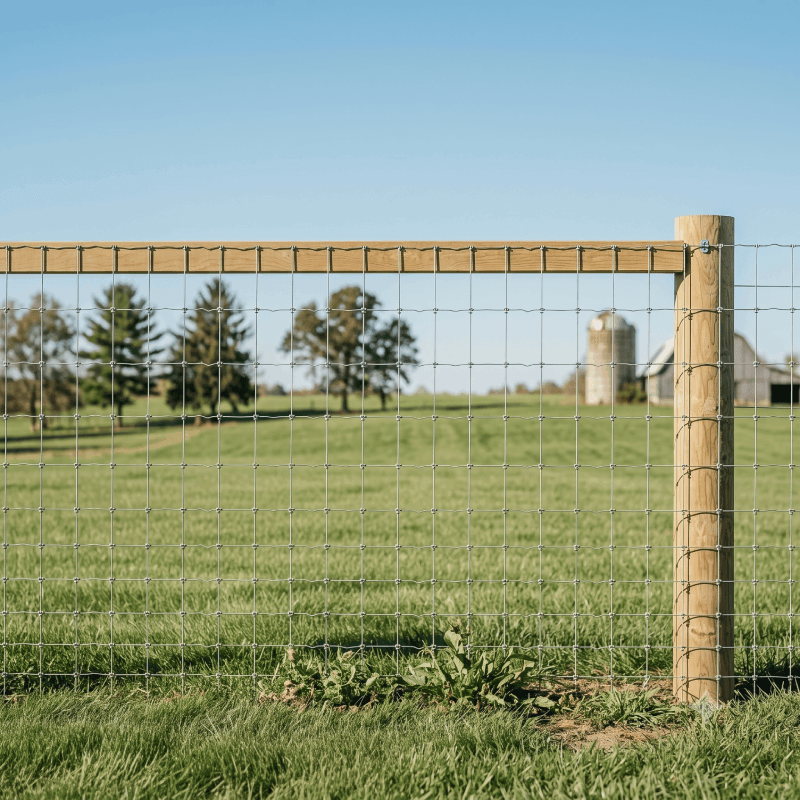
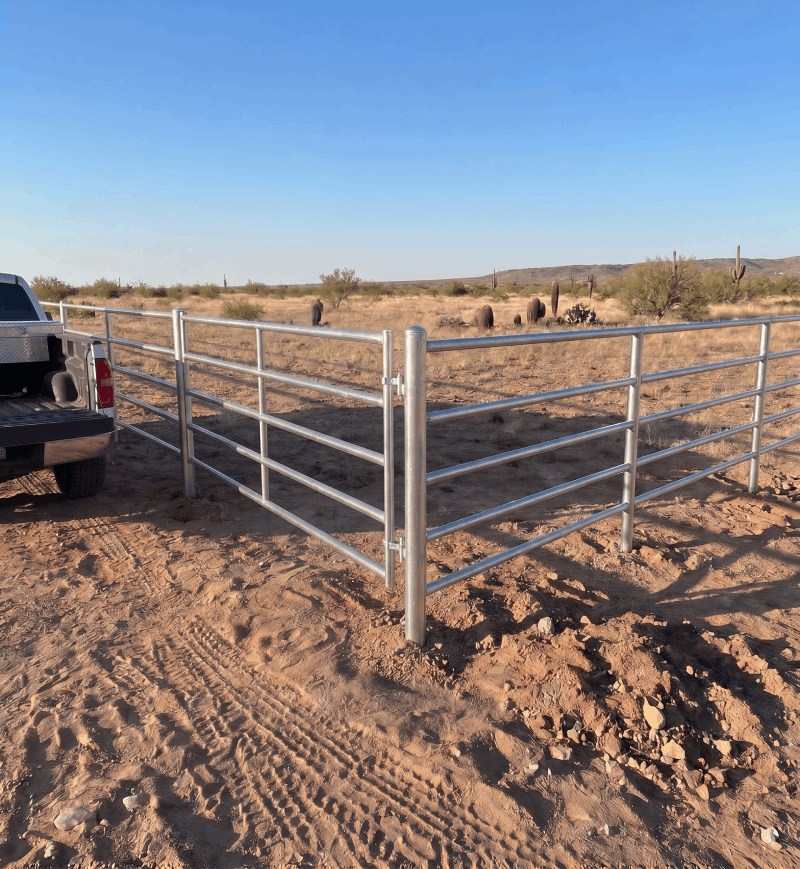
Fencing for livestock and acreage comes down to what you’re containing and how the land is laid out, not one spec applied to the whole property. That means woven wire, barbed wire, or high-tensile fencing depending on the animals and terrain. Post spacing and anchoring change across uneven ground and low spots, so a fence built the same way start to finish tends to fail somewhere along the line. We walk the property before quoting so it’s built for the actual terrain, not just the total footage.


Pool Fence Installation
Pool fencing has to meet code, not just look good. That means a non-climbable barrier, a minimum height, and gates that self-close and self-latch, all checked at inspection. We build enclosures that pass the first time, most often vinyl-coated chain link with privacy slats or powder-coated iron, both of which meet code without ongoing upkeep. Adding a pool to an existing yard? We can also tell you whether your current fence line already qualifies or needs changes before the inspector shows up.
Gate Installation
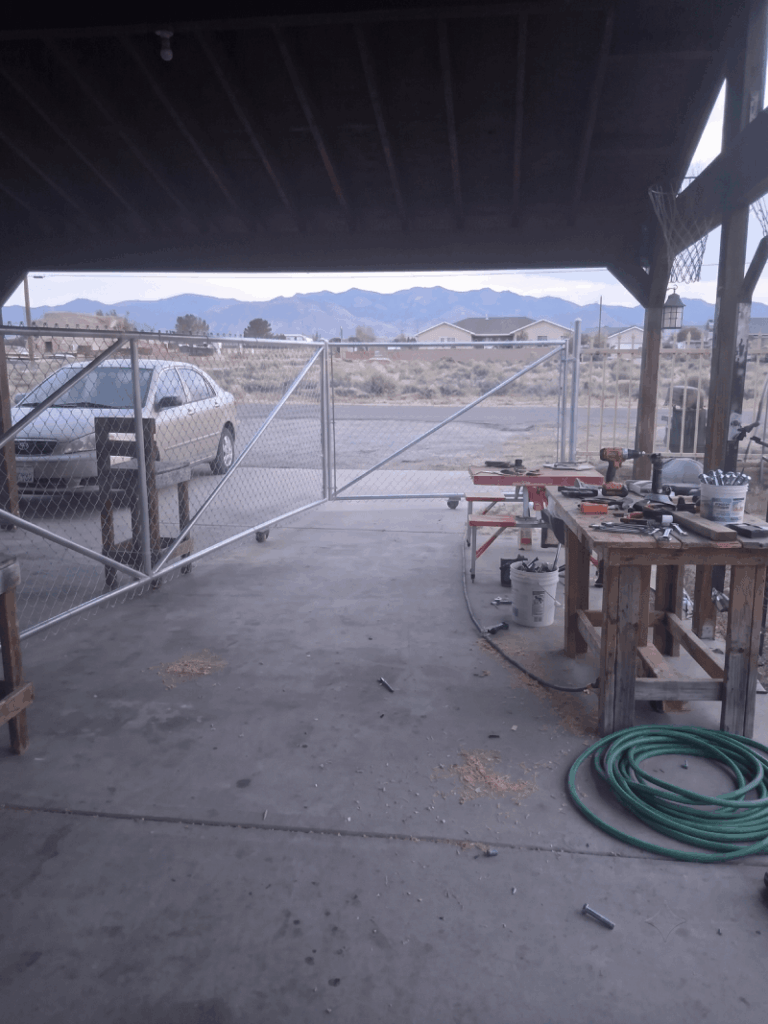
We build manual swing gates and automated slide gates for driveways, RV pads, and side entries, in chain link, wood, iron, or steel to match the rest of the fence. Automated gates run on keypad or remote entry. The most common issue with budget gate installs is an undersized post that can’t hold the gate’s weight, so it leans within a year and throws the whole gate out of alignment. We size every post for the actual weight and swing it needs to carry.
Fence Maintenance & Repair
Most repair calls come down to the same handful of causes: wind-loosened panels and rails, posts that shifted after heavy rain softened the ground around them, rust on older chain link, and cracked mortar on rock walls that have settled. We find the actual cause instead of patching what’s visible, so the same problem doesn’t come back next season. Catching a leaning post or a cracked footing early is almost always cheaper than replacing the whole section later.
If you’re weighing your options or just need a straight answer on what a fence like this actually costs, call Everock Fencing at (915) 320-6656. We’ll come look at the property, walk you through what fits it, and give you a written quote before anything gets built.